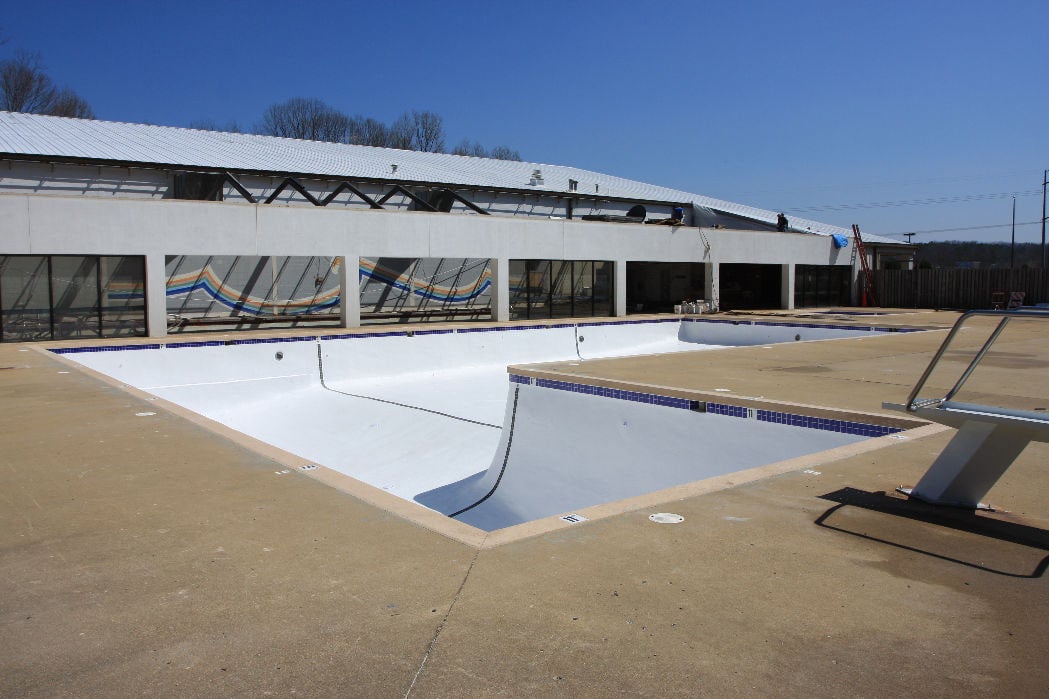
Mid-America Pool Renovation completely renovated the McKee Foods Community Pool, which had suffered extensive damage due to poor original construction practices and hydrostatic pressure. Built on a clay base without gravel bedding or relief ports, the pool shell was effectively being crushed by trapped subsurface water. Our team performed adeep structural pool rescue to stabilize the vessel and provide a permanent finish capable of withstanding the site’s challenging groundwater conditions.
Renovation Goals: Correct severe structural cracking, implement a functioning hydrostatic relief system, and replace a degrading "paint over plaster" surface.
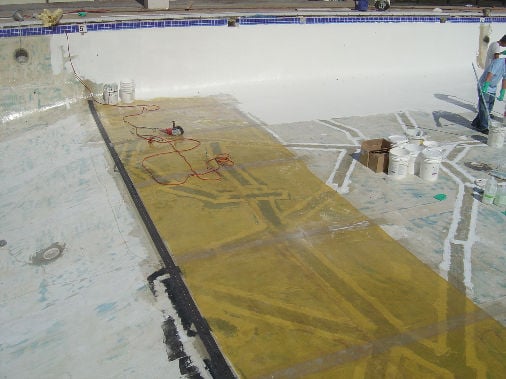
Services Selected: The team managed a technical structural recovery that included core drilling, the installation of hydrostatic relief ports, and permanent sealing via the InterSteel Crack Repair method
Background: Prior to the overhaul, the pool was in a state of dual failure: water bled in from the ground when empty and leaked out through cracks when full.
Microsoft Word Project History Mckee Foods
Project History Mckee Foo
Mckee Foods
Project Specifications:
Location: Chattanooga, Tennessee
Scale: 5,585 Square Feet (including Kiddy Pool)
Delivery: Completely renovating the shot-crete facility, including hydrostatic pressure relief, structural crack sealing, and composite resurfacing
Equipment or Materials Utilized: Schmidt Hammer testing, coal slag abrasive blasting, diaphragm pumps, InterSteel Crack Repair, and the INTER-GLASS® Reinforced Composite System
Area Type: Community Pool (McKee Foods/Little Debbie Cakes)
Timeline: Completed in 2008
Mckee Foods
Mckee Foods
Mckee Foods
Mckee Foods
Challenges Solved
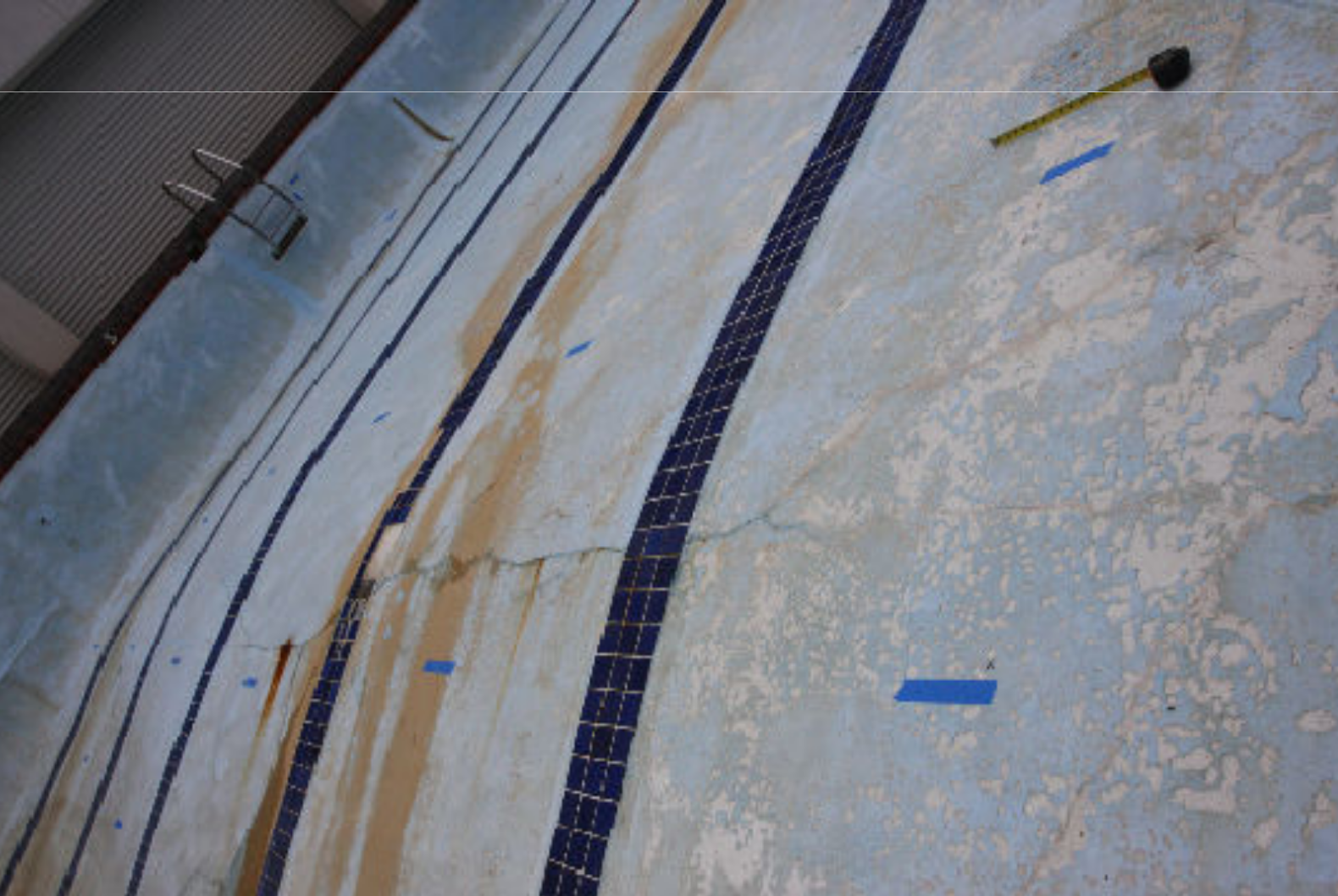
Hydrostatic Pressure Voids: A lack of escape routes for subsurface water created numerous cracks and voids throughout the shell.
Reinforcement Corrosion: Chemically treated water penetrating the cracks caused rust bleeds and significant calcium and ettringite deposits on the surface.
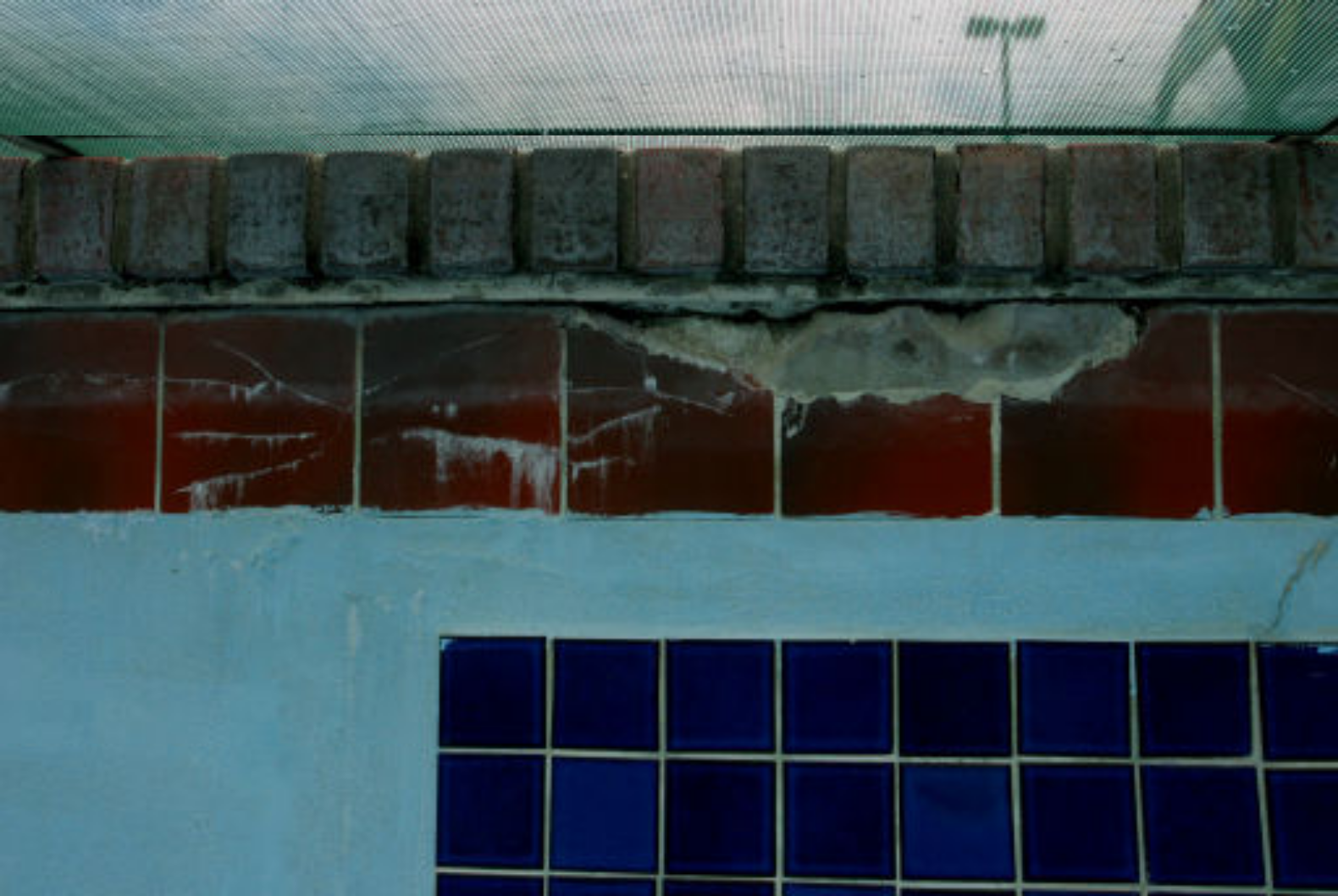
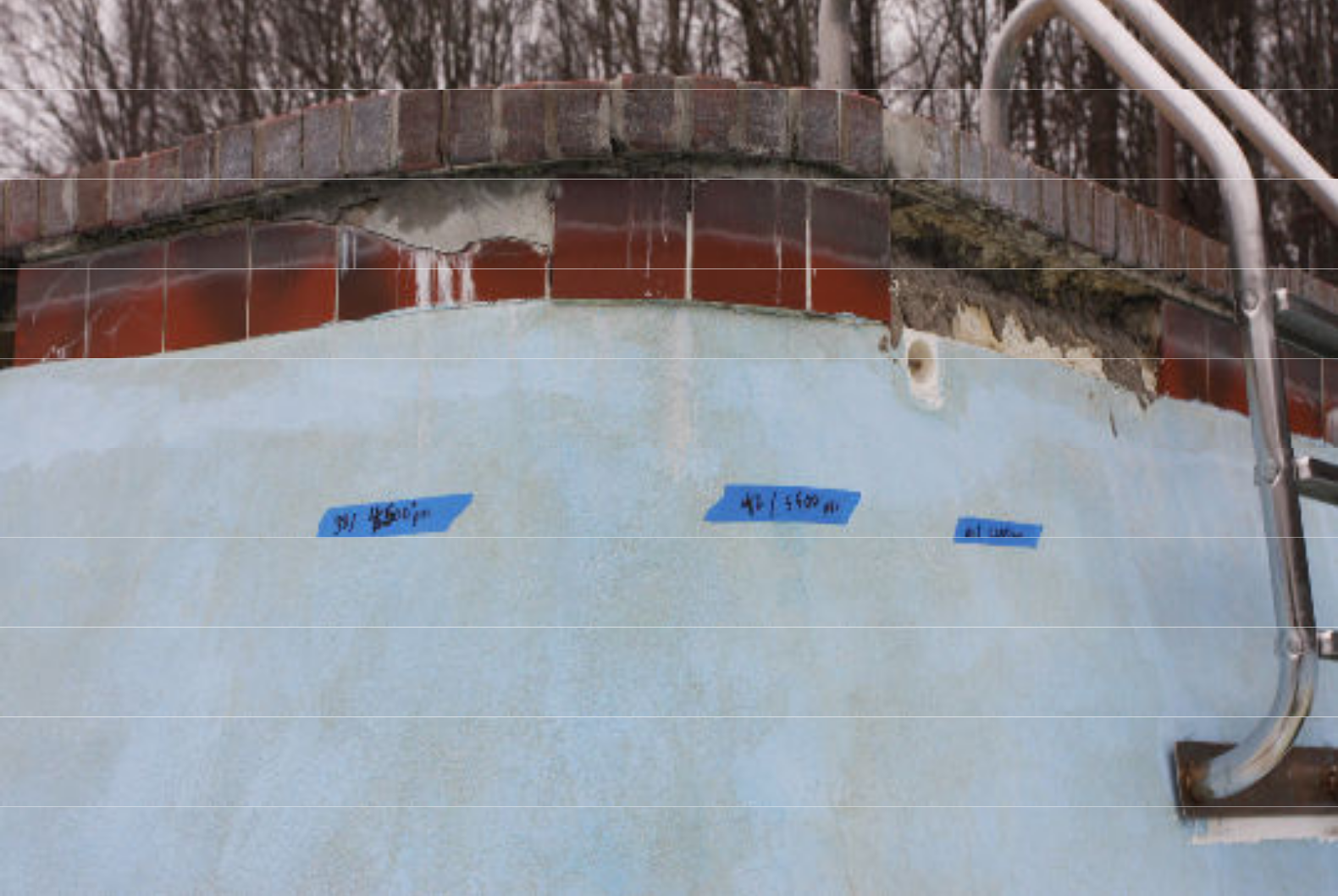
Material Degradation: The existing brick coping, unglazed waterline tiling, and layered paint finish were all in advanced states of decay.
Active Water Infiltration: Significant subsurface water required the continuous use of up to four diaphragm pumps simultaneously to control pressure during the renovation.
Special Considerations
Structural Validation: Before beginning, Schmidt Hammer and core drill testing were conducted to verify that the underlying shotcrete remained sound for restoration.
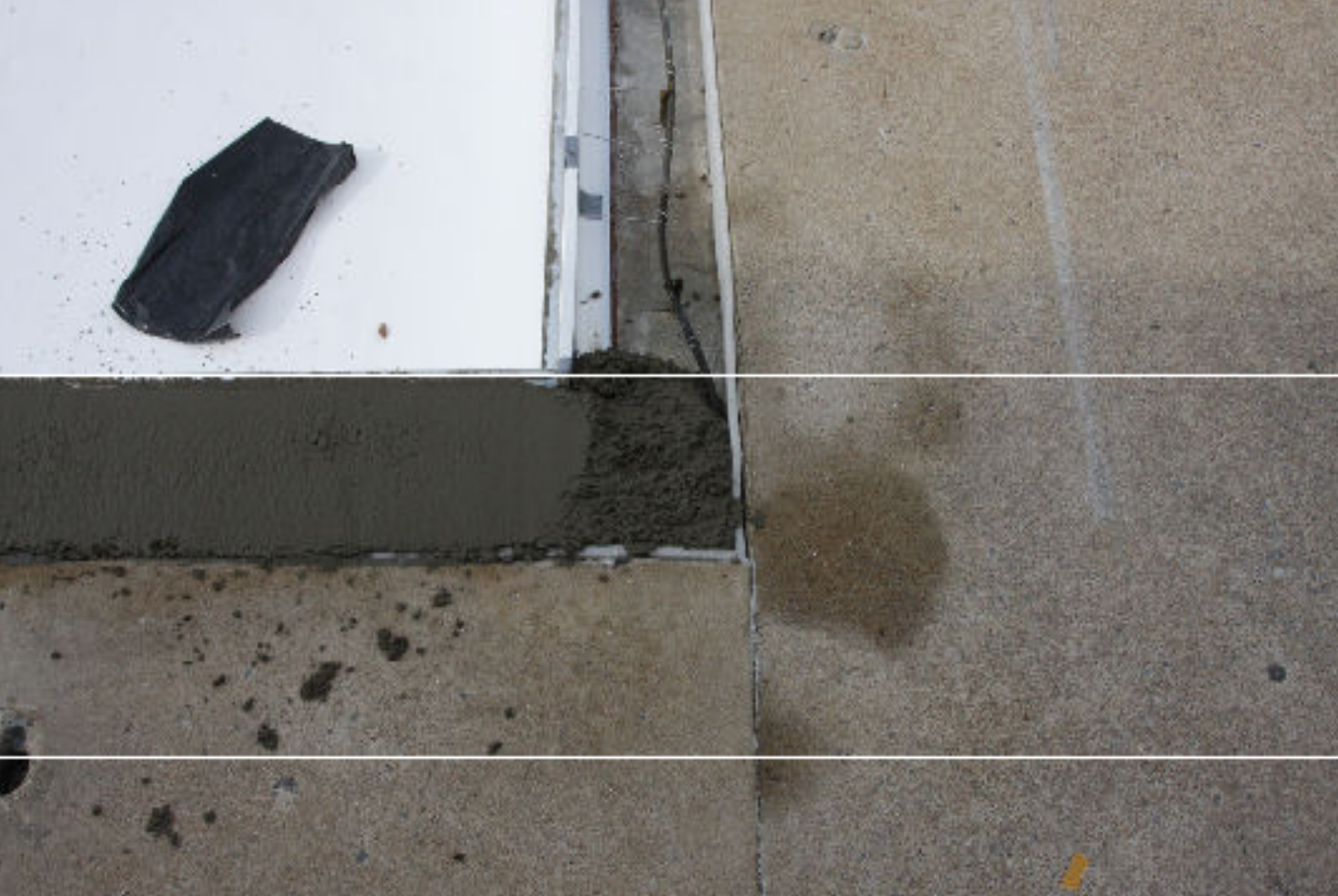
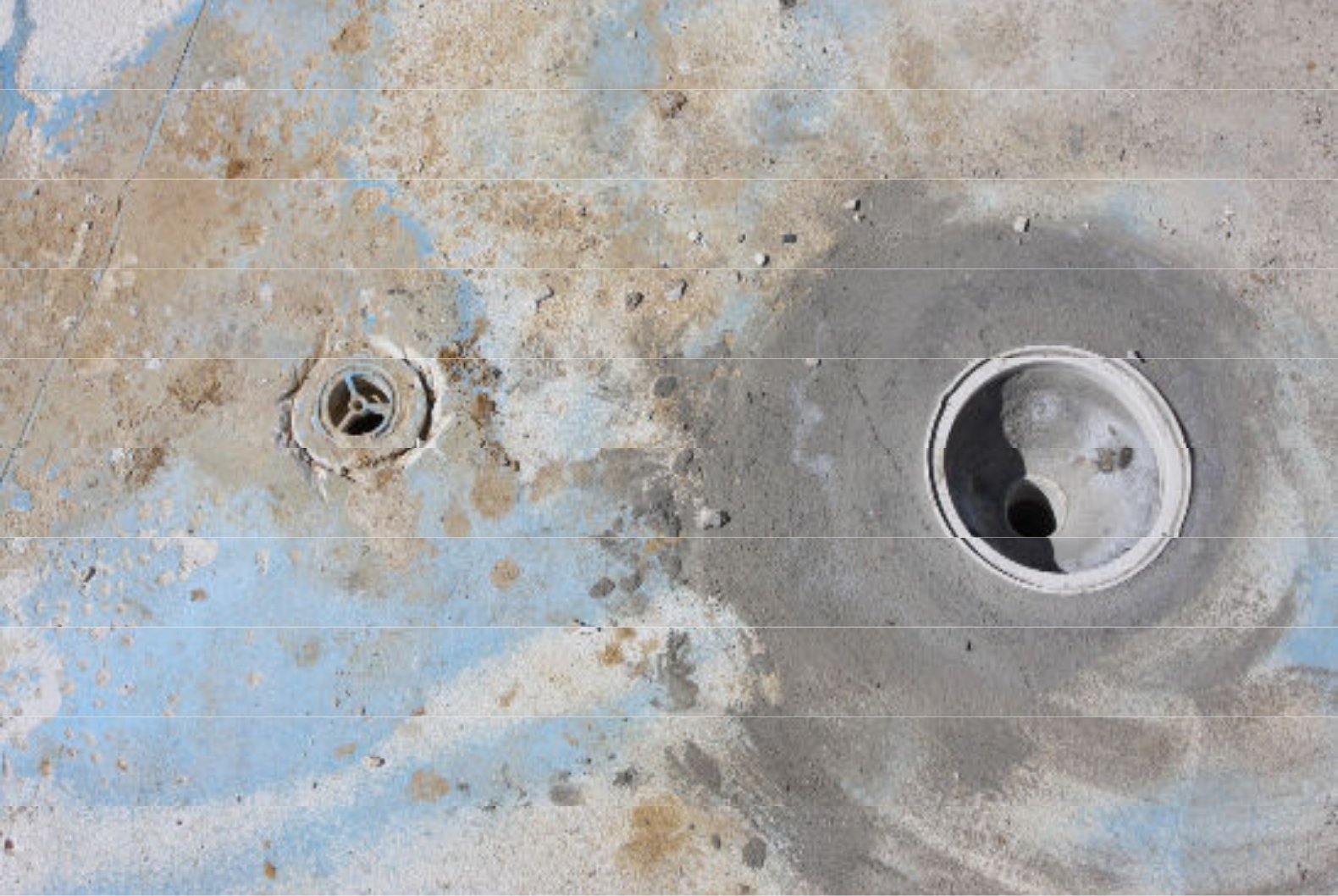
Pressure Relief Engineering: Several new hydrostatic relief ports were drilled through the shell to provide permanent outlets for subsurface water.
Industrial Surface Prep: Remaining pool paint and mineral deposits were removed using coal slag abrasive blasting to ensure a clean substrate for bonding.
Composite Reinforcement: Following the placement of a new pour in situ coping and frost-proof tiling, the entire interior was sealed with the reinforced INTER-GLASS® system.
From Our Team
“Built on a clay base with no gravel bedding and a lack of hydrostatic relief ports, subsurface water had no routes of escape… Up to 4-diaphragm pumps were used at one time to control and remove subsurface water.”
Like what you see? Contact us for your upcoming project!