

For high-traffic aquatic facilities, whether in a luxury resort, a busy fitness center, or a municipal park, the pool is often the main attraction and a primary reason guests visit. However, keeping it in top shape requires more than just clear water and balanced chemistry. The physical safety and overall look of your facility depend heavily on the condition of the perimeter.
When the waterline tile begins to crack, or the stone coping becomes loose, it’s no longer just a cosmetic blemish; it’s a liability. Commercial pool tile and coping replacement is a vital maintenance project that ensures your facility remains safe, compliant with local health department regulations, and visually appealing to your guests.
What’s Tile and Coping?
To understand why replacement is necessary, one must first understand the specific roles these two components play in a commercial environment.
Pool Tile Types
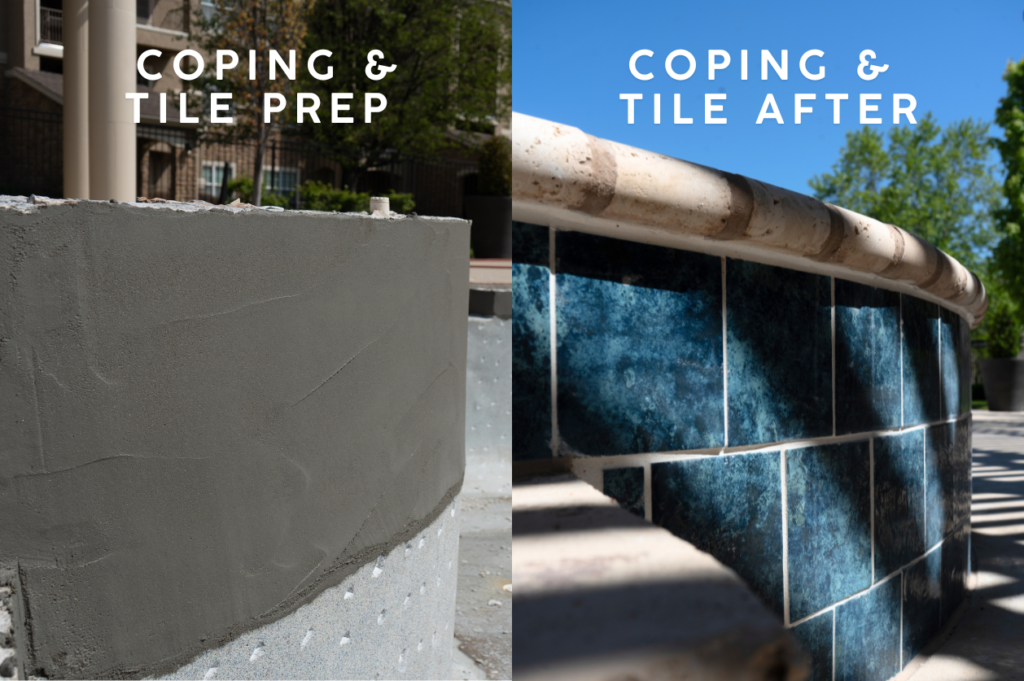
While tile undoubtedly enhances a pool’s aesthetic, it serves a critical functional purpose in both residential and commercial settings. Typically installed at the waterline, commercial pool tile protects the pool shell from staining and mineral buildup caused by fluctuating water levels. Because it is non-porous, it is much easier to clean than the plaster or aggregate finish of the pool itself. Common materials include:
- Ceramic and Porcelain: The industry standard for durability and cost-effectiveness.
- Glass Tile: Offers a premium, shimmering aesthetic and is highly resistant to chemical erosion.
- Stone Tile: Provides a natural, high-end look often seen in luxury resorts.
Pool Coping
Coping is the “cap” or edging placed around the top rim of the pool. It acts as the transition between the pool structure and the surrounding deck. Beyond its looks, coping serves three critical functions:
- Structural Protection: It covers the bond beam (the top of the pool wall) to prevent water from seeping behind the shell.
- Safety: It provides a necessary handhold for swimmers at the water’s edge.
- Drainage: It is slanted slightly away from the pool to direct splashed water and debris toward deck drains rather than back into the clean pool water.
Signs Your Facility Needs Commercial Pool Tile and Coping Replacement
How do you know when it’s time to move from routine maintenance to a full commercial pool tile and coping replacement? Watch for these five red flags:
1. Cracked or Missing Tiles
If you notice small pieces of tile on the pool floor or visible cracks along the waterline, the bond has failed. This is often caused by the expansion and contraction of the pool shell or chemical damage to the thin-set mortar. Missing tiles expose the underlying gunite, which can lead to localized leaks and structural rot.
2. Loose or Falling Coping
Coping should be rock-solid. If a piece shifts when stepped on or sounds “hollow” when tapped, the mortar bed has detached. Loose coping is a significant trip hazard and can cause a swimmer to lose their grip while exiting the pool, leading to potential injury and liability.
3. Discoloration and Staining
Years of hard water and chemical use can lead to calcium scaling that is impossible to scrub away. If your pool waterline looks dull, chalky, or stained despite regular cleaning, it’s a sign that the tile’s glaze has worn down. Replacing these materials can instantly shave a decade off the apparent age of your facility.
4. Water Leaks and Structural Damage
The joint between the tile and the coping is a common point of water loss. If you find yourself topping off the pool more often than usual, the waterproofing behind the tile or the expansion joint behind the coping may have failed. Addressing this through replacement can save thousands in monthly water bills.
5. Rough or Sharp Edges
Over time, stone coping can spall (flake), and tile can chip, leaving razor-sharp edges. In a commercial setting, this is an unacceptable safety risk. Any surface that comes into contact with a guest’s skin must be smooth and intact.
Why Commercial Pools Require Special Attention
While a backyard pool might see a family of four, a commercial pool handles hundreds of swimmers daily. This high volume leads to increased “bather load,” which necessitates higher chemical concentrations to maintain sanitation. Constant exposure to chlorine, muriatic acid, and salt systems – combined with heavy physical impact from jumping and climbing- accelerates the wear and tear on materials.
Furthermore, facility managers must navigate a complex web of ADA (Americans with Disabilities Act) requirements and local health codes. A single cracked tile or a loose piece of coping can lead to a failed inspection, resulting in an unexpected and costly facility closure. Maintaining your brand reputation means ensuring that every guest experience is premium; a neglected pool suggests a neglected property.
Benefits of Timely Tile and Coping Replacement
Investing in commercial pool tile and coping replacement is a proactive strategy that pays dividends in several areas:
- Enhanced Safety: Eliminating trip hazards and sharp edges significantly reduces the risk of slip-and-fall accidents and lacerations.
- Improved Aesthetics: Trends in pool products change. New tile and modern coping styles can transform a dated pool into a contemporary oasis that justifies higher membership fees or room rates.
- Cost Savings Over Time: Small cracks lead to large structural failures. By replacing failing materials now, you prevent water from reaching the steel rebar inside the pool walls, avoiding a total loss scenario.
- Property Value: For resorts and multi-family housing, the pool is a major selling point. A crisp, clean pool deck increases the perceived value of the entire property.
The Replacement Process
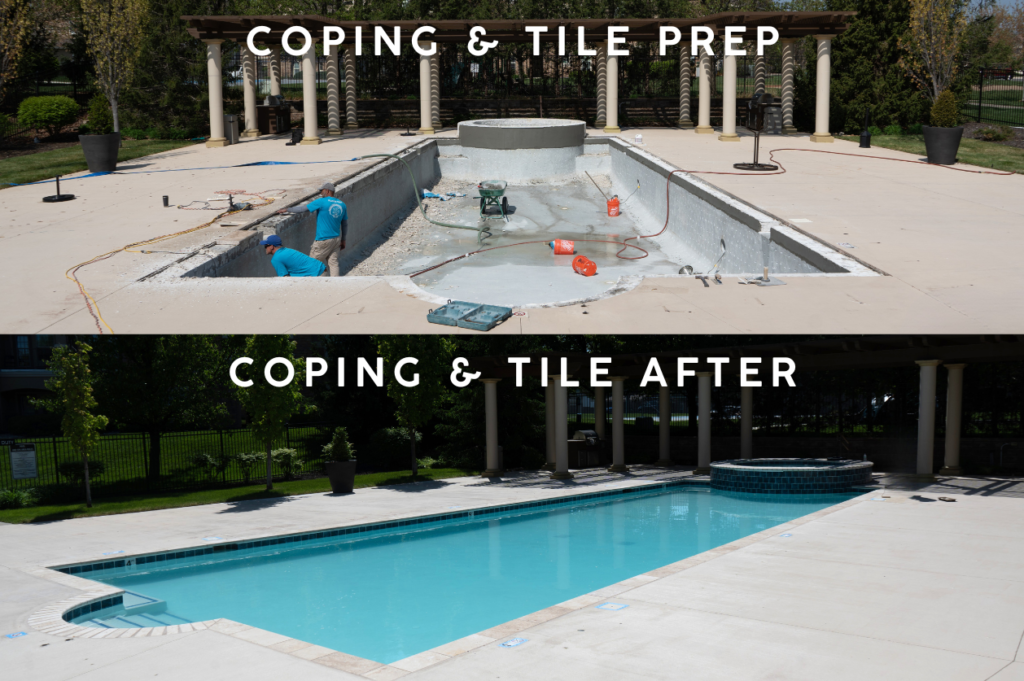
A professional commercial renovation is a precise operation designed to minimize downtime. Here is what the process typically looks like:
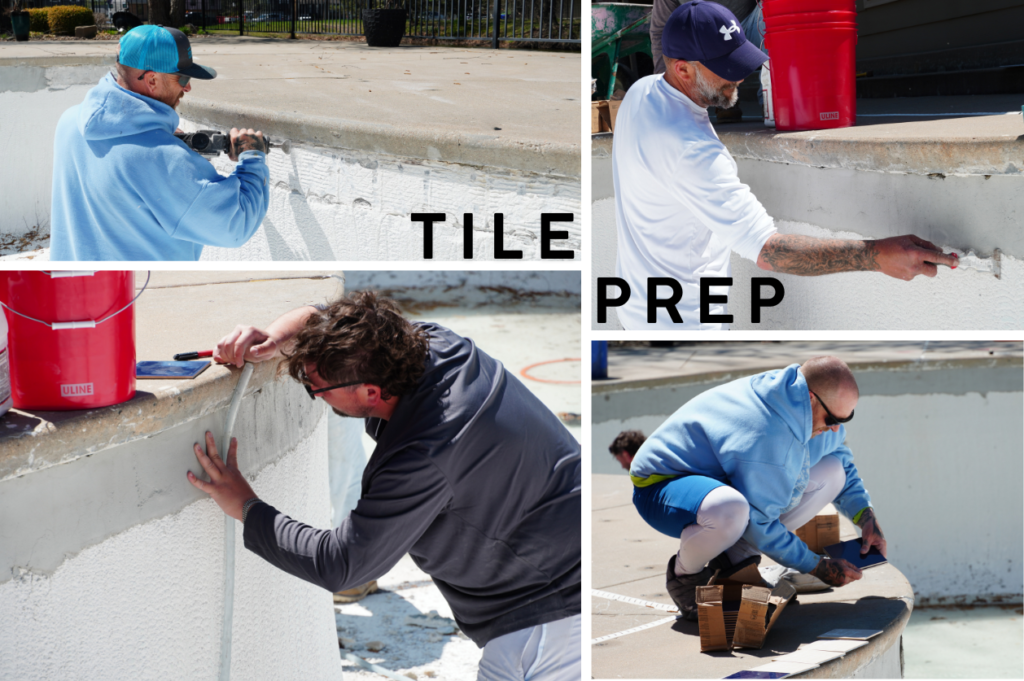
- Inspection and Assessment: Evaluate the “bond beam” to ensure the underlying concrete is healthy enough to support new materials.
- Removal of Old Materials: Using specialized tools, the old tile and coping are carefully demolished. Professionals take care to prevent debris from damaging the pool’s interior finish.
- Surface Preparation: The area is cleaned and leveled. Any hollow spots in the concrete are repaired to create a stable substrate.
- Installation:
- Tile: Leveling strings are used to ensure the waterline is perfectly straight.
- Coping: Set after the tile is secure, using the finished tile line as the guide to establish the final perimeter.
- Grouting/Sealing: High-grade, waterproof grout and caulk are applied to withstand the structural stresses and heavy use of a commercial environment.
- Final Inspection: The inspector checks the site for ADA compliance and safety standards. Any non-compliant areas identified by the inspector must be addressed before the pool is cleared for refilling.
Choosing the Right Materials for Your Facility
When selecting materials for a commercial project, durability must come before design.
- Durability and Slip Resistance: It is important to choose coping materials that provide a steady grip for wet feet. Look for materials with a textured surface, such as honed natural stone or textured precast concrete, which help prevent slips in high-traffic areas.
- Climate Resilience: In colder regions, ensure your materials are rated as frost-proof. If water gets into porous tiles and freezes, it can cause the material to crack or flake off.
- Design and Branding: You can choose colors that match your facility’s look. Deep blues are a classic choice, while modern greys and whites can give the area a clean, updated feel.
- Budget and Longevity: While some materials may cost more upfront, choosing durable options like high-quality porcelain or stone can save money over time by reducing the need for frequent repairs.
Maintenance Tips After Replacement
Once your new tile and coping are installed, protect your investment with these simple steps:
- Regular Cleaning: Use a soft-bristled brush to remove body oils and sunscreen from the tile line.
- Proper Chemical Balance: Acidic water eats away at grout. Keep your pH between 7.4 and 7.6.
- Routine Inspections: Address minor issues early to avoid major repairs.
Expert Commercial Pool Replacement Appointments Available Now
The condition of your pool reflects the standards of your entire facility. A commercial pool tile and coping replacement is more than just a facelift; it is a necessary structural intervention that protects your guests and your bottom line. By identifying signs of wear early and partnering with an experienced commercial pool renovation specialist like Mid-America Pool Renovation, you can ensure your aquatic facility remains a safe, beautiful, and profitable asset for years to come. Here’s what we bring to the pool deck:
- Commercial Experience: Our extensive portfolio includes hotels, schools, and municipal centers, proving we understand high-traffic durability.
- Operational Efficiency: We recognize that downtime equals lost revenue. Our team works strictly to schedule to get your facility reopened quickly.
- Full Compliance: We carry comprehensive commercial insurance and licensing, protecting your property and ensuring all ADA and health codes are met.
Is your pool showing signs of age? Don’t wait for a failed inspection or an injury to take action.
