

Thinking about refreshing the tile in your pool, spa, or aquatic space? A fresh look can completely transform your property, make it more inviting, and even add value.
But replacing pool tile isn’t always as simple as peeling off the old pieces and gluing on new ones. If your pool tile keeps popping off, cracking, or chipping away, the tile itself may not be the real problem. Often, damaged tile indicates that the surface beneath is weak, hollow, cracked.
Replacing a few loose tiles may help for a while, but it won’t fix the underlying problem. For a repair to last, the old tile needs to be removed, the surface underneath inspected, and any damaged areas repaired before new tile is installed.
The Six Most Common Reasons Pool Tile Fails Over Time
To understand why pool tiles fall off, we have to look behind the scenes. The layer underneath your pool tile is usually a specialized, thick cement bed that bonds the tile directly to the heavy concrete pool shell. When this backing material gets damaged by weather, age, or shifting ground, the tiles lose their grip. Below are some of the most common reasons pool tile fails over time.
1. Hollow Areas Under the Tile
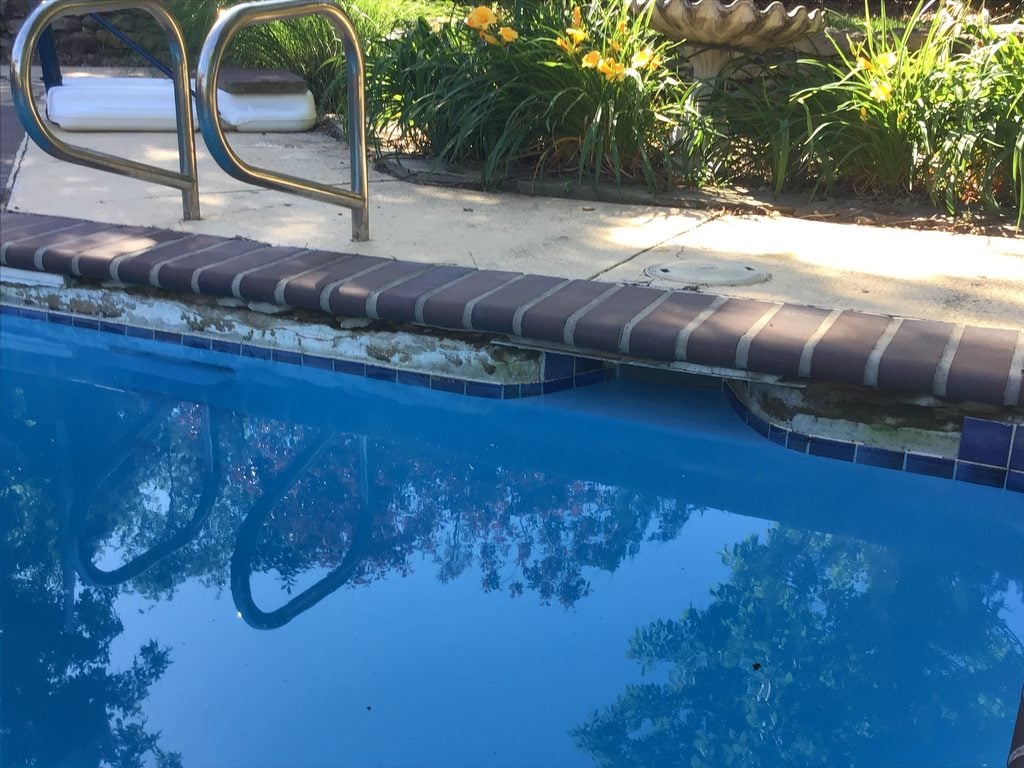
One of the most common problems we find after removing old pool tile is the presence of hollow areas beneath the tile. From the surface, everything may look fine, but once the tile comes off, sections underneath have separated and are no longer firmly attached to the pool.
Because these areas are no longer solid, they can’t properly support new tile. Installing new tile over hollow spots may look good at first, but the same problems with loose, cracked, or popping tiles are likely to happen again. To create a repair that lasts, the damaged material should be removed and rebuilt before the new tile is installed.
2. Cracked or Broken Tile Bed
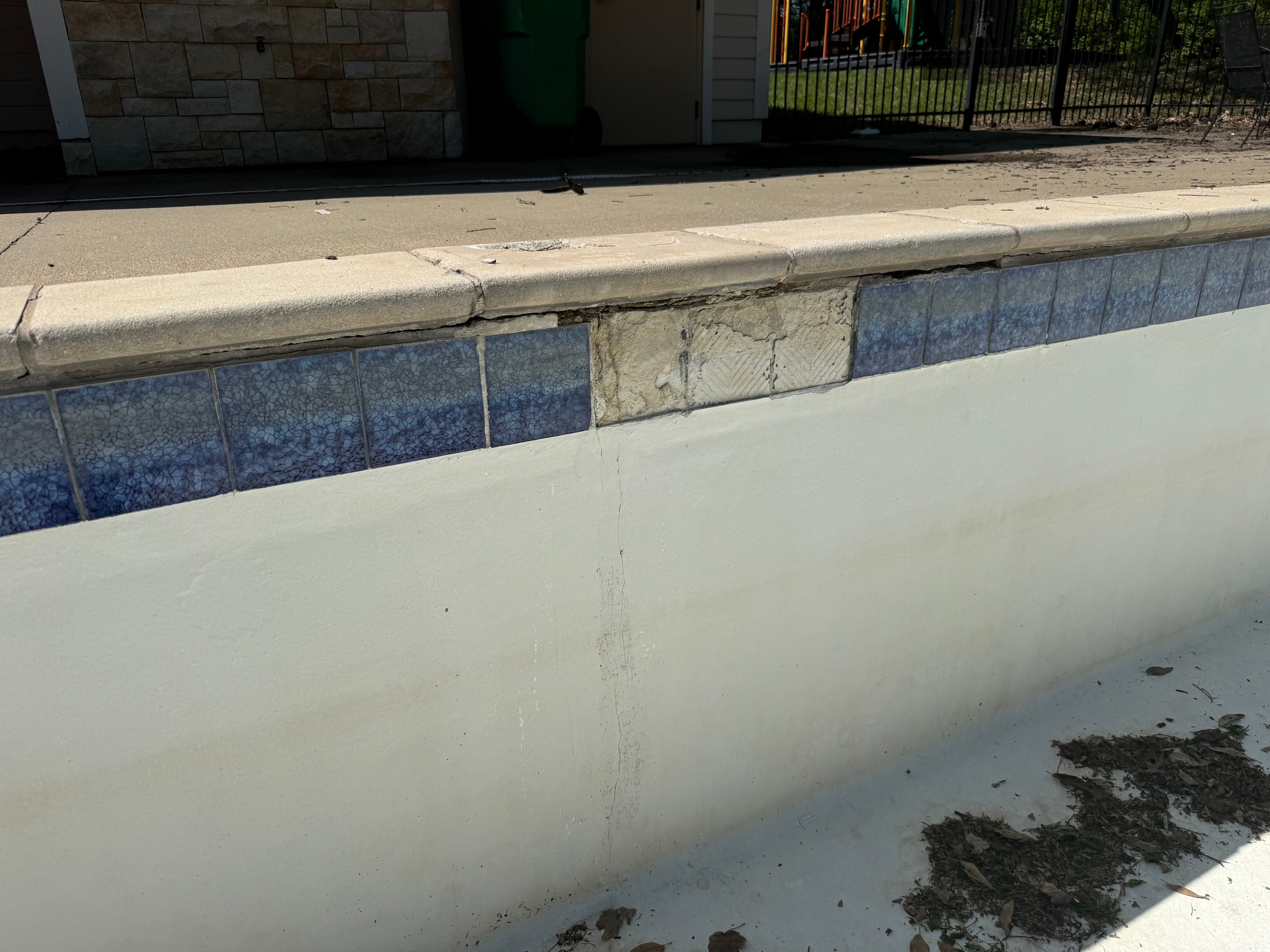
Sometimes the material supporting the tile has simply cracked or broken apart after years of exposure to water, changing temperatures, and normal movement of the pool.
These broken sections often become obvious once demolition begins. In fact, large chunks of the backing bed will usually crumble like an old cookie the moment workers start peeling away the old tile. Instead of just covering up the mess, these broken pieces have to be cleaned up and repaired so the new tile has a smooth, solid surface to stick to.
3. Deteriorated Material (Age and Wear)
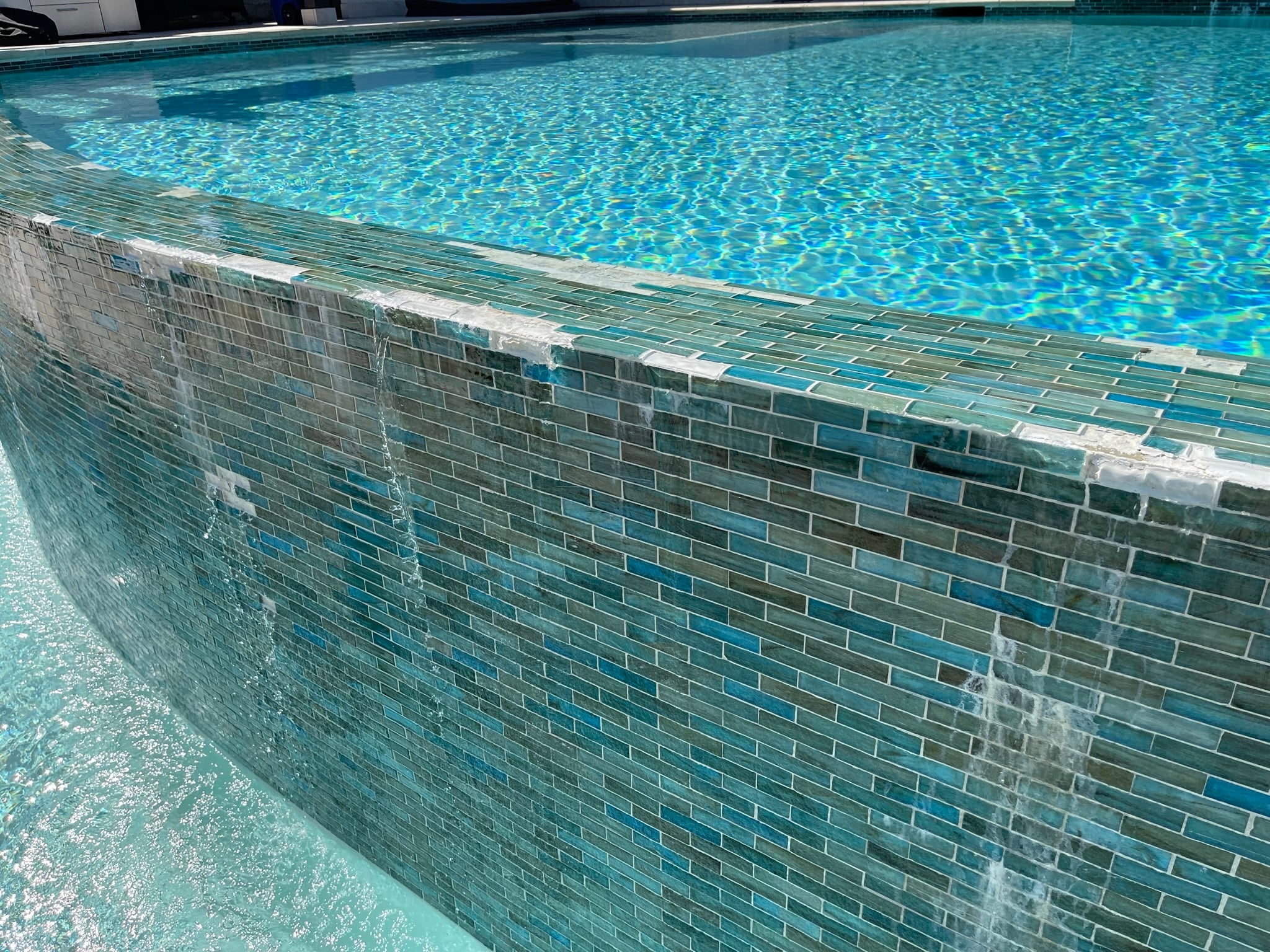
Pools are tough environments because they are constantly exposed to harsh chemicals, baking sunlight, and water. Over many years, the cement backing simply gets old, tired, and weak. When it reaches this point, it loses its “grip” and can no longer hold onto a new tile. To get a repair that lasts, workers need to scrape away the old, worn-out layers and put down a fresh, strong layer of cement.
4. Previous “Band-Aid” Repairs
Many older pools have been repaired at some point. While some repairs hold up well for years, others only address the loose tile rather than the underlying cause.
When you tear off the tile, you will usually find those old, cheap patches cracking and peeling underneath. Those old repairs have to be completely removed and redone so the job can be done right this time.
5. Water Intrusion
Water can easily sneak behind the tile line through a tiny crack or a spot where the grout is missing. As water seeps beneath the tile, it gradually weakens the material supporting it.
In areas with freezing temperatures, the problem can worsen because frozen water expands, exerting pressure that can loosen tiles and damage what’s underneath. Repairing both the damaged areas and the source of the water intrusion helps reduce the chances of the problem returning.
6. Natural Ground & Pool Movement
As the soil beneath the pool settles over the years or as the seasons shift from wet to dry, the massive weight of the pool shifts a tiny bit. On top of that, materials naturally expand under the heat of the sun and shrink when they cool at night. This constant, slow movement puts immense physical stress directly on the tile line.
While this movement is usually gradual, it can eventually create cracks or cause sections underneath the tile to separate from the pool. When these damaged areas are found during demolition, rebuilding these zones with fresh, high-strength materials will give the pool the stable support it needs to handle natural shifts without cracking in the future.
How Hidden Problems Can Impact the Cost of Pool Tile Installation
One of the biggest misconceptions about pool tile installation is that every project follows the same process. In reality, no contractor can see what’s underneath the tile until demolition begins.
Depending on what they find during that step, the work can go two very different ways. Some pools only require removing the old tile, making a few minor repairs, and installing new tile. Others reveal widespread damage that requires rebuilding large portions of the tile bed before the project can continue.
Because every single pool is completely unique, the amount of hidden repair work directly impacts four major areas of your project:
- The total amount of labor required
- The types and amount of materials needed
- The overall project timeline
- The final project cost
This is why two pools that appear similar from the outside can have very different renovation costs. You can’t truly identify these problems until the old tile comes off.
Why Fixing the Problem Now Saves Money Later
It can be tempting to replace only the loose tiles, especially if most of the tile still looks good. As we have said, if the material beneath has already begun to fail, replacing only the visible damage is a temporary fix. Without repairing the underlying problem, pool owners often end up paying for additional repairs sooner than expected.
Taking the time to address this hidden damage right away gives you a massive advantage because it helps you:
- Prevent recurring loose tiles from popping back off
- Extend the lifespan of your beautiful new installation
- Reduce future repair and maintenance costs
- Protect your overall investment
When you look at the big picture, the choice becomes very clear. While repairing the hidden areas underneath the tile may increase your initial setup cost today, it easily saves you thousands of dollars over the long term by helping you avoid the massive headache of repeated, frustrating repairs.
A Long-Lasting Pool Tile Installation Starts Below the Surface
New tile can completely transform the appearance of your pool, but lasting results depend on more than the tile itself. If you lay beautiful new tile over a hollow mud bed or a weeping crack, it will not last.
What’s underneath matters just as much as what you see on the surface. Weak, hollow, cracked, or worn-out areas in the wall cement must be repaired before any new tile goes up. Skipping those repairs might save a little time at first, but it usually leads to loose tiles, repeat repairs, and higher costs later on.
To make sure your pool is handled correctly, it helps to work with a company that has seen it all. The team at Mid-America Pool Renovations has been repairing and remodeling pools since 1987, completing over 5,000 projects nationwide. With nearly 40 years of experience, we know exactly how to prep a pool wall so that your new tile stays flat, tight, and beautiful for a very long time.
Don’t risk covering up hidden problems that will ruin your investment. Let our experienced team look beyond the surface and get your pool ready for a flawless, long-lasting transformation.
