Lew Wentz Pool | Ponca City, OK

Project Overview

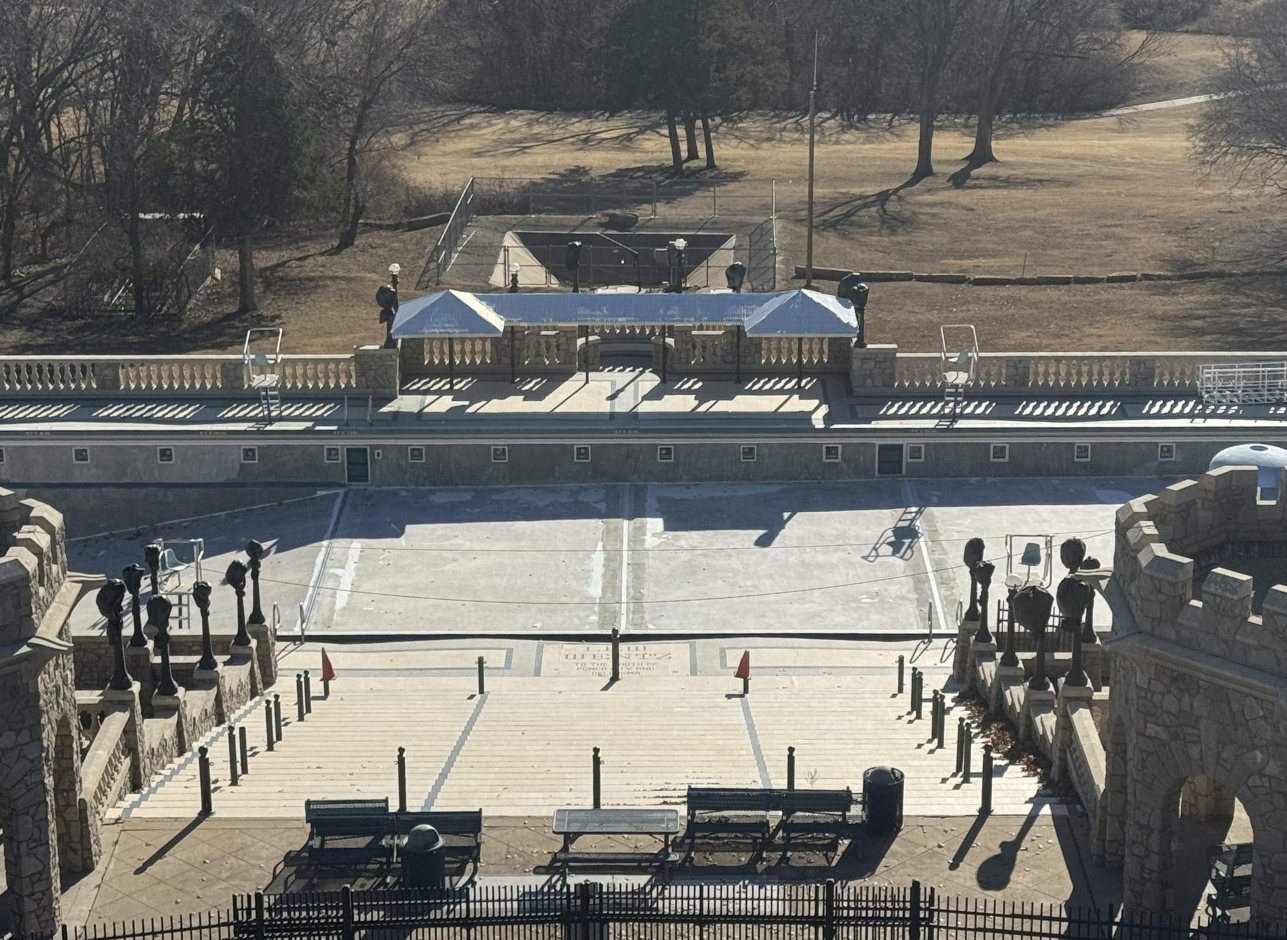
When the City of Ponca City looked at the historic Lew Wentz Pool, they were looking at a piece of living history. Built in 1930 by legendary philanthropist Lew Wentz, the Olympic-sized municipal pool had served as a beloved community centerpiece for nearly a century. While the pool held decades of irreplaceable summer memories for local families, time had taken a severe toll on the aging infrastructure. Chronic, sub-surface water leaks had escalated to a point where daily operations were simply unsustainable.

The restoration of this nearly 100-year-old landmark was a massive, unique undertaking unlike almost any other project in the region, requiring a specialized approach executed in phases over 11 months. The goal was to execute a deep structural stabilization that would save the pool from demolition, upgrade its outdated mechanical systems, and preserve its historic character for generations of swimmers to come.

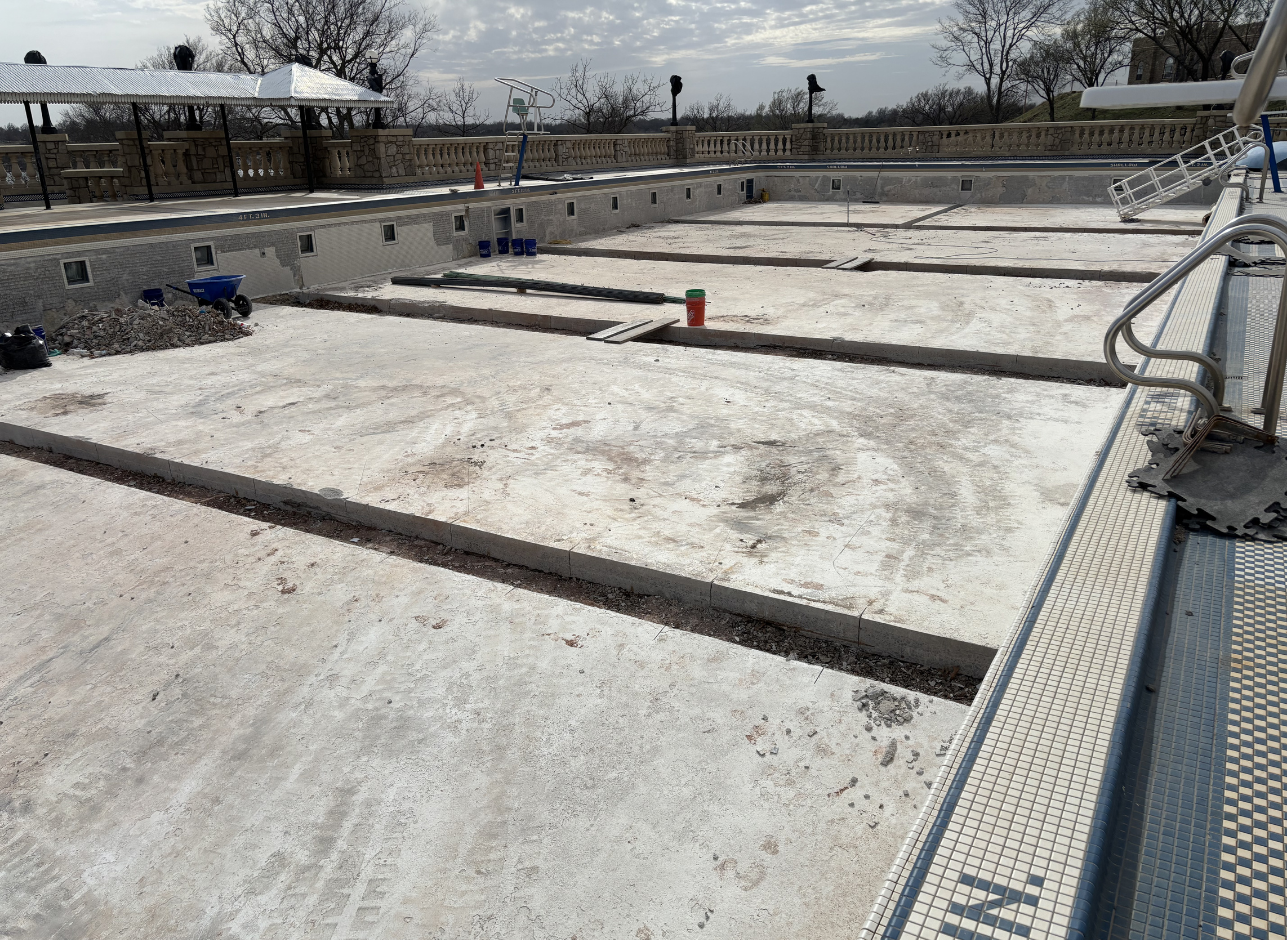
Lew Wentz Pool | Construction Phase
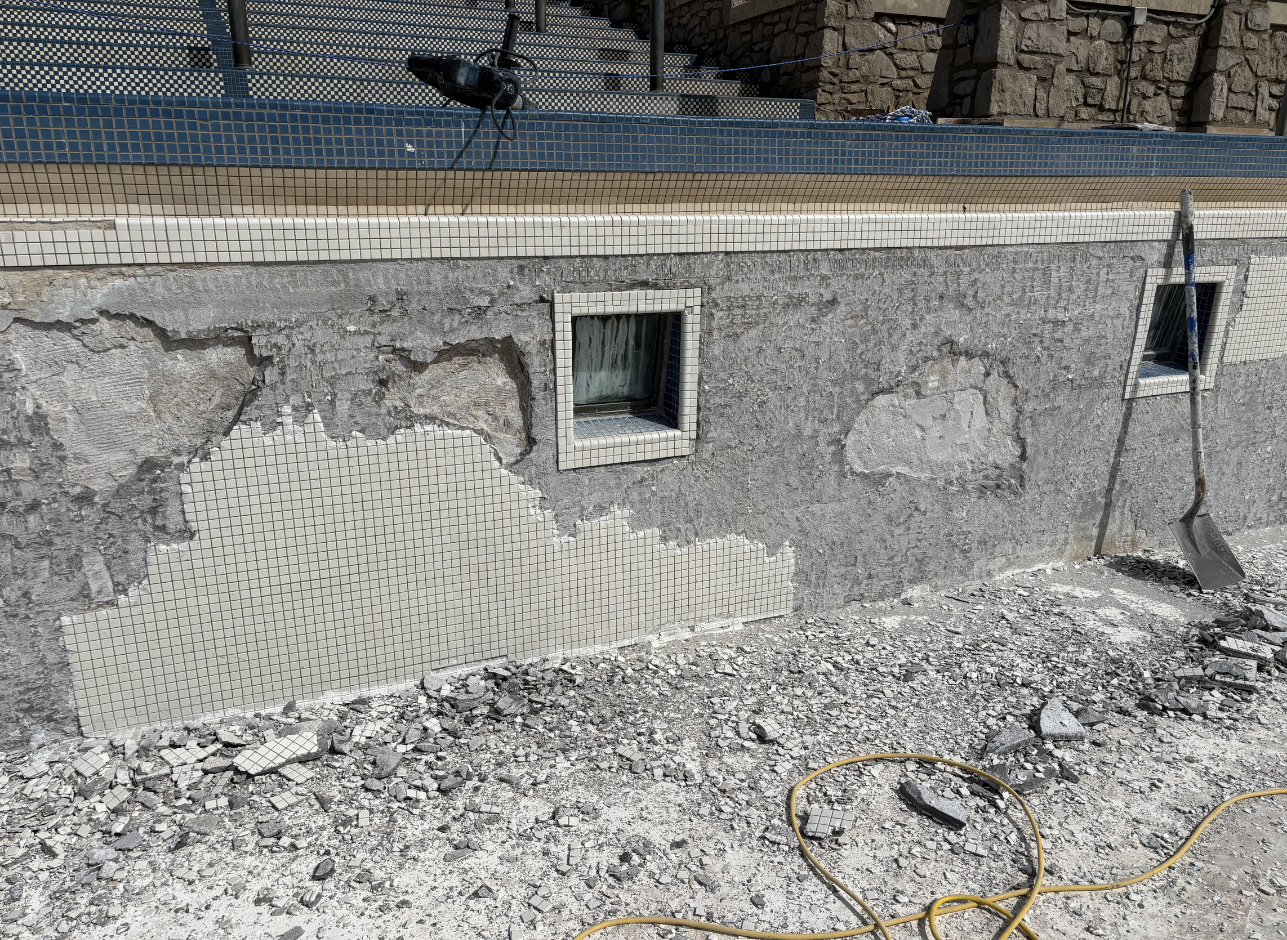
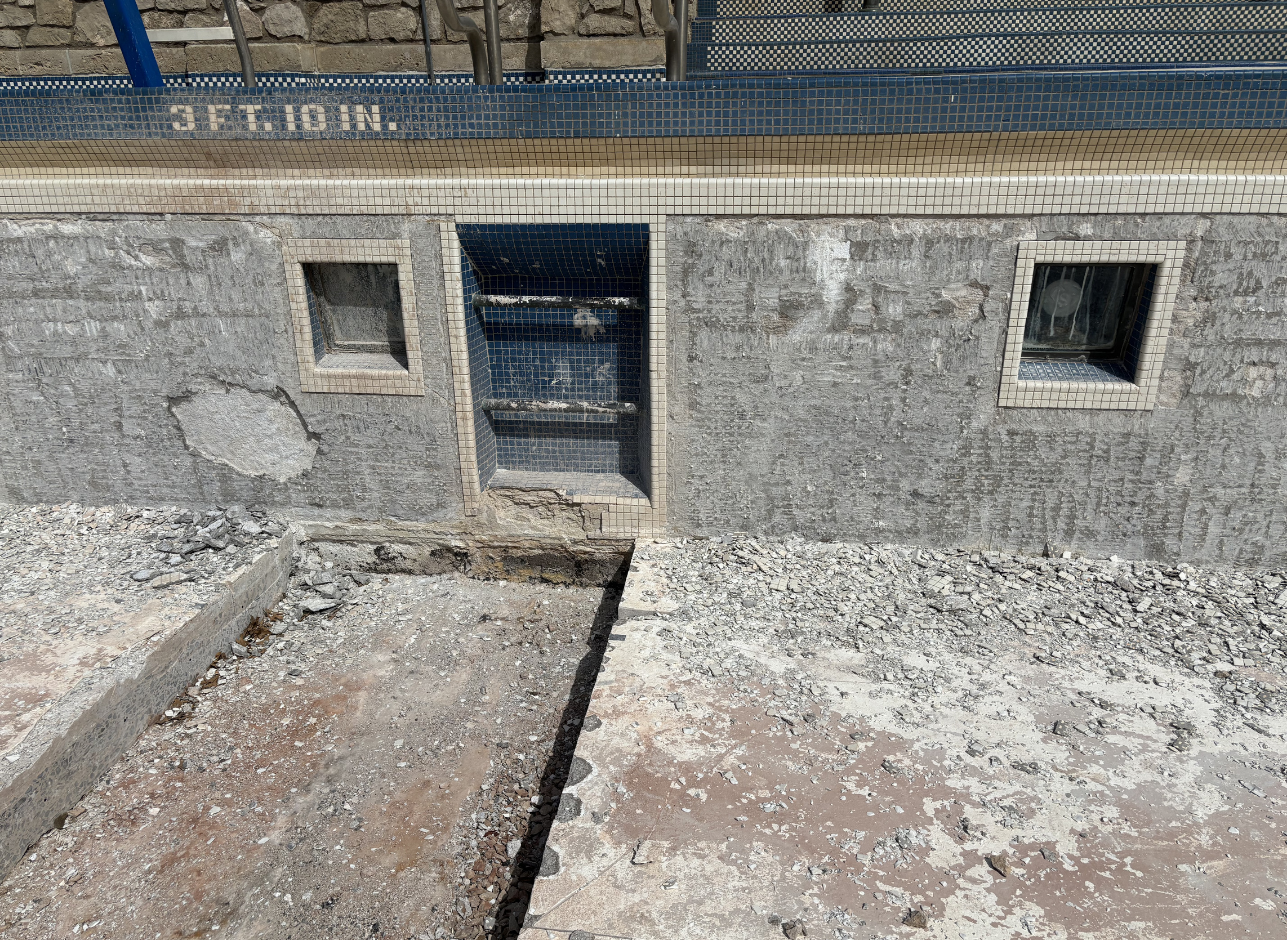
Lew Wentz Pool | Demolition Phase

Scope of Renovation

Extending the life of a historic municipal pool required a complex structural restoration far beyond a standard cosmetic update. The city chose a renovation stabilization plan designed to eliminate ongoing water loss and bring the facility up to modern accessibility standards.

Our team carefully sequenced these services into dedicated phases across a multi-month schedule to manage structural demands, equipment rentals, and crew travel over the course of nearly a year:

  • February – March: Cut the pool floor into large sections with a ring saw and removed the concrete blocks using a large crane.
  • March: Removed the old water mushroom and pipe, drilled for new structural rebar, and began removing the 1×1 wall tile.
  • April – July: Continued removing the remaining 1×1 wall tile up to the 6-inch mark on the walls during scheduled breaks.
  • June: Started the preparatory site work required to replace the main filtration system.
  • September: Placed the new rebar, formed and poured the new concrete pool floor, and applied a smooth brown base coat to the walls.
  • October: Replaced the mushroom and filter plumbing with a 3-inch pipe, reset the mushroom feature, and installed the new 8-foot dual-cell glass media filter.
  • November: Caulked the maintenance tunnel windows and installed custom-tiled expansion joints across the new floor.
  • December: Ground off the old epoxy paint from the floor and completed the final project walkthrough.

Together, these improvements completely modernized the facility’s performance while honoring the architectural footprint of the original 1930 pool.

Overcoming Extreme Logistics & Hidden Voids

Due to its historic design and unique location, the project threw two massive challenges at the crew that required creative, on-the-spot engineering.

The first challenge was pure physics. The pool was built directly into a steep hillside with absolutely no direct path for heavy machinery. To solve this, the team used a crane to physically hoist a skid steer over the hillside and lower it directly into the pool basin. Crew members used ring saws to cut the failing concrete pool floor into large, manageable blocks, lifted them with a “monkey paw” attachment into a custom skid pan, and used the crane to hoist the debris out into waste containers without damaging the historic surrounding structure.

The second surprise came once the floor was removed. Decades of undetected leaks had completely washed away the soil beneath the pool, leaving massive, hidden hollow voids up to 6 feet deep. To save the pool from collapsing inward, the team brought in ground-penetrating radar (GPR) to map the subterranean network of cavities. They then adapted a plaster pump to inject a specialized concrete slurry through precise drill holes, completely packing the voids and rebuilding a rock-solid foundation.


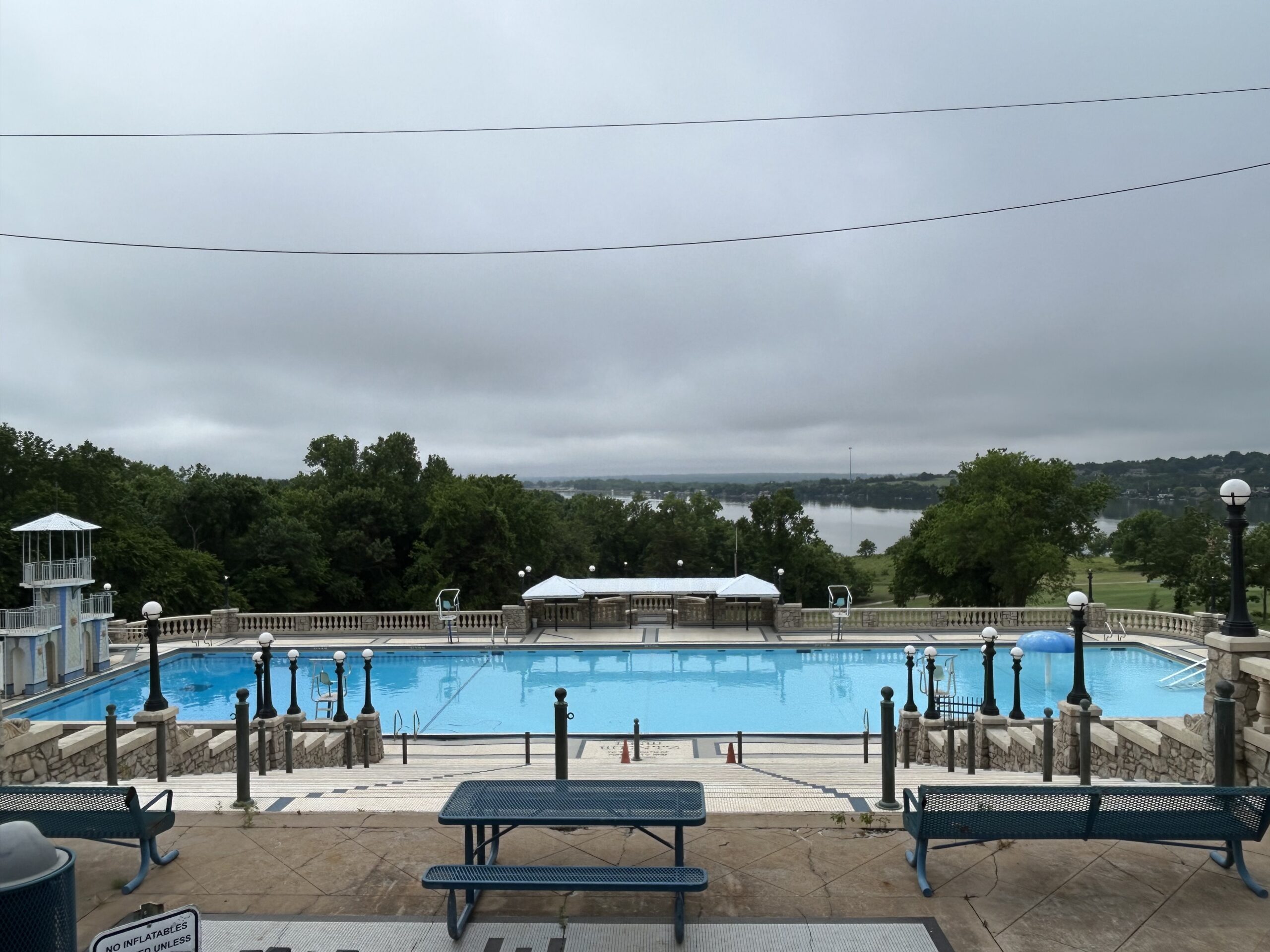
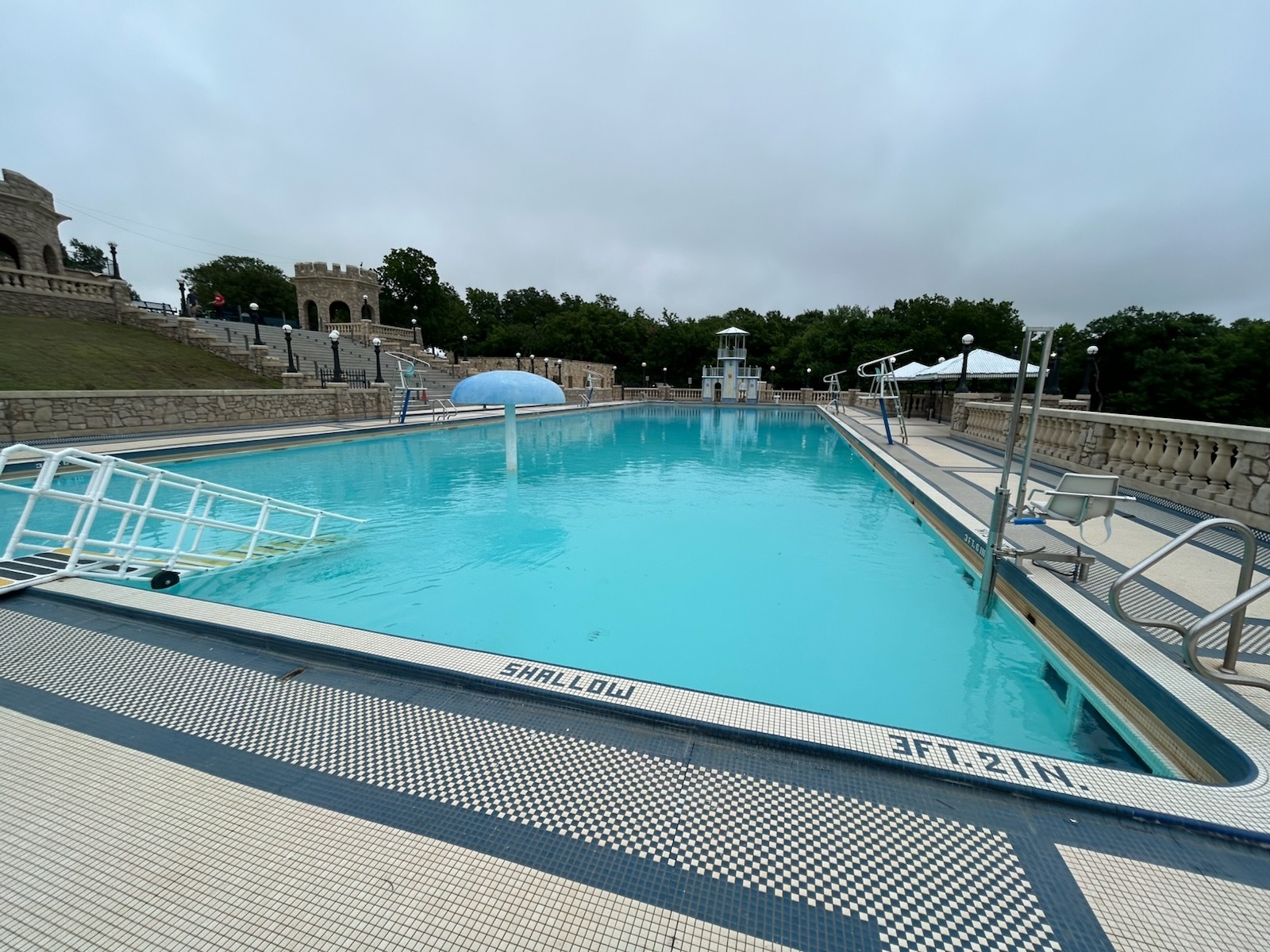
Completed Full Pool
Completed Full Pool
Empty Pool After Floor Restoration
Completed Full Pool
Completed Full Pool

The Finished Result

The completion of the Lew Wentz Pool gave Ponca City far more than an updated facility. It rescued a prized municipal landmark from the brink of closure and guaranteed that the community centerpiece would remain open for future generations.

By combining heavy structural remediation, modern filtration technology, and specialized historic preservation techniques, the project demonstrates how a historic, 100-year-old public asset can be completely modernized to meet strict modern standards while preserving the rich heritage of the original build.

Project Details

  • Location: Ponca City, Oklahoma
  • Pool Type: Historic Municipal / Public
  • Year of Construction: 1930
  • Year of Renovation: 2025
  • Project Timeline: Began in February and completed in December of the same year (11-month multi-phase execution)
  • Renovation Highlights:
    • Sectional concrete floor replacement
    • Mapping the hidden hollow spaces under the pool using ground-penetrating radar and filling them with a specialized concrete mix to secure the foundation
    • Crane-assisted hillside debris extraction
    • Complete paint and tile stripping using new paint-removal blades
    • Custom-built, after-hours locking steel safety guards for 1930s lifeguard stands
    • Installation of an 8-foot dual-cell glass media filter system
    • New ADA-compliant access steps and mechanical entry lift

From Our Team

“This was the first project on which we used the paint-removal blades, and it worked well… The city loved it, and I was super happy with the outcome.”

Like what you see? Contact us for your upcoming project!

Subscribe to Our Newsletter

"*" indicates required fields

This field is for validation purposes and should be left unchanged.
Name*