

A damaged swimming pool rarely announces its retirement with a polite letter. It usually starts with a series of passive-aggressive hints. A hairline crack that wasn’t there yesterday. Rough plaster that turns kids’ feet into sandpaper. Tiles that decide to move out and live at the bottom of the deep end. Or that slow leak that has you wondering if the neighborhood dogs are organized and very, very thirsty.
Before you know it, those “small quirks” turn into major structural drama, a water bill that looks like a phone number, and a backyard that feels less like an oasis and more like an abandoned set from a post-apocalyptic movie. At Mid-America Pool Renovation, we specialize in repairing and renovating damaged swimming pools the right way. We focus on restoring the pool’s structure, upgrading outdated materials, and giving pool owners a pool that looks beautiful and lasts for years. Here is exactly how our restoration process works, from the first inspection to the final refill.
Our 7 Step Pool Restoration Process
Step 1: Professional Pool Inspection and Leak Detection
Every successful pool renovation starts with a thorough inspection.
Before we touch anything, we evaluate the complete condition of your pool structure, surface, tile, plumbing, decking, and equipment. Many visible issues are only part of a deeper problem, so we look beyond what is immediately apparent.
During our inspection, we check for:
- Structural cracks versus surface cracks
- Hollow or loose tiles
- Rust staining or rebar exposure
- Bond beam damage
- Deck shifting or settling
- Plumbing leaks
- Equipment wear and inefficiencies
- Outdated interior finishes
This step is critical. Surface repairs without understanding the root cause often lead to repeated problems. Our detailed assessment enables us to develop an effective restoration plan and provide transparent recommendations, so you know exactly what needs to be done and why.
Step 2: Draining and Surface Preparation
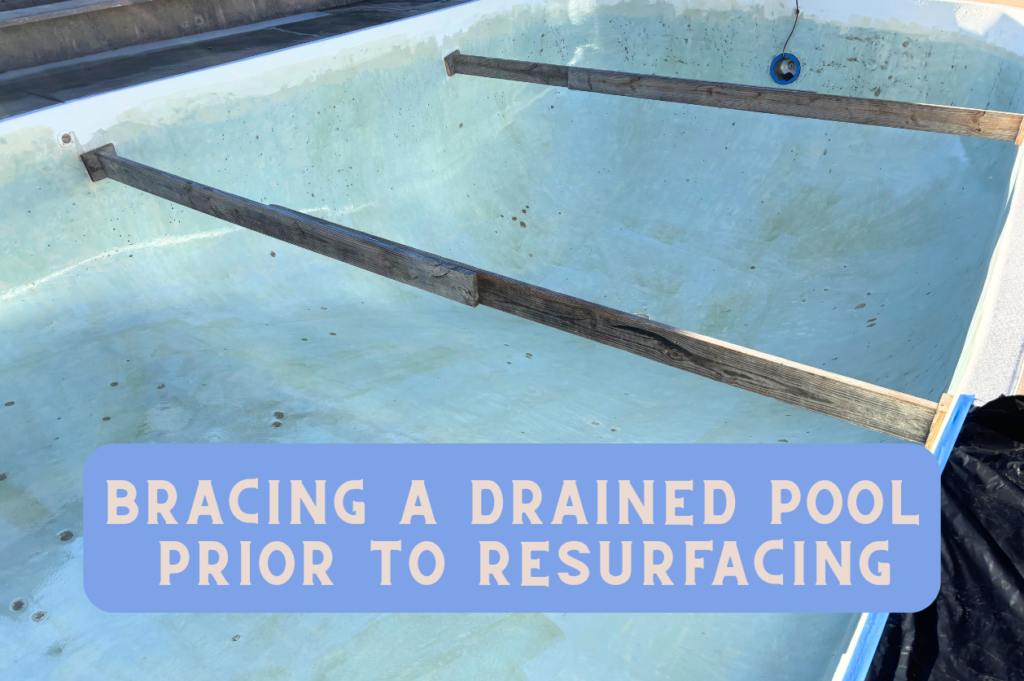
Once the project begins, we safely drain the pool.
Proper drainage matters more than most pool owners realize. It must be controlled to prevent structural stress and complications related to groundwater pressure. We take specific precautions to protect the pool structure while safely removing the water.
After the pool is drained, preparation begins. Preparation typically includes:
- Removing damaged or deteriorated plaster
- Grinding out visible cracks
- Chipping away weakened material
- Removing loose or failing tile
- Hydro-blasting the interior surface
- Thorough cleaning of the concrete structure
Mid-America Pool Renovation’s hydro-blasting system uses high-pressure water to remove old surface contaminants without damaging the underlying concrete. This creates a rough, clean surface profile that allows new materials to adhere properly.
Preparation is one of the most important phases of pool renovation. Rushing this stage can lead to peeling, bubbling, or premature surface failure.
Step 3: Structural Repairs and Crack Restoration
With the pool properly prepared, we now focus on any structural damage uncovered during inspection. This is where accurate diagnosis matters most, because not all cracks require the same solution.
If cracks are structural, we route them out and apply professional-grade repair compounds or structural epoxy. Weak areas may require reinforcement to ensure long-term stability.
If leaks are present, we identify and address the source. In some cases, that involves pressure testing plumbing lines or replacing damaged sections.
We also address:
- Compromised concrete areas
- Exposed reinforcement
- Structural weaknesses contributing to failure
This ensures the pool is stable and properly restored before moving into aesthetic upgrades. Curious about cracks? Read our blog about common swimming pool cracks and what to do about them!
Step 4: Equipment Modernization and Efficiency Upgrades
With structural repairs complete, some pool owners choose to review the condition of the equipment. This is not included in typical pool restoration services, but pool renovation contractors will often recommend you bring in pool service companies and electricians to ensure your pool is safe and operating at its best. This can include pumps, filtration systems, heaters, automation controls, and water sanitation equipment.
Evaluating and upgrading these systems is typically handled by professionals who specialize in equipment installation, diagnostics, and ongoing maintenance.
When properly maintained or updated, modern pool equipment can improve energy efficiency, water circulation, and overall system reliability, helping the pool operate more smoothly over time.
Step 5: Tile, Coping, and Concrete Surrounding Upgrades
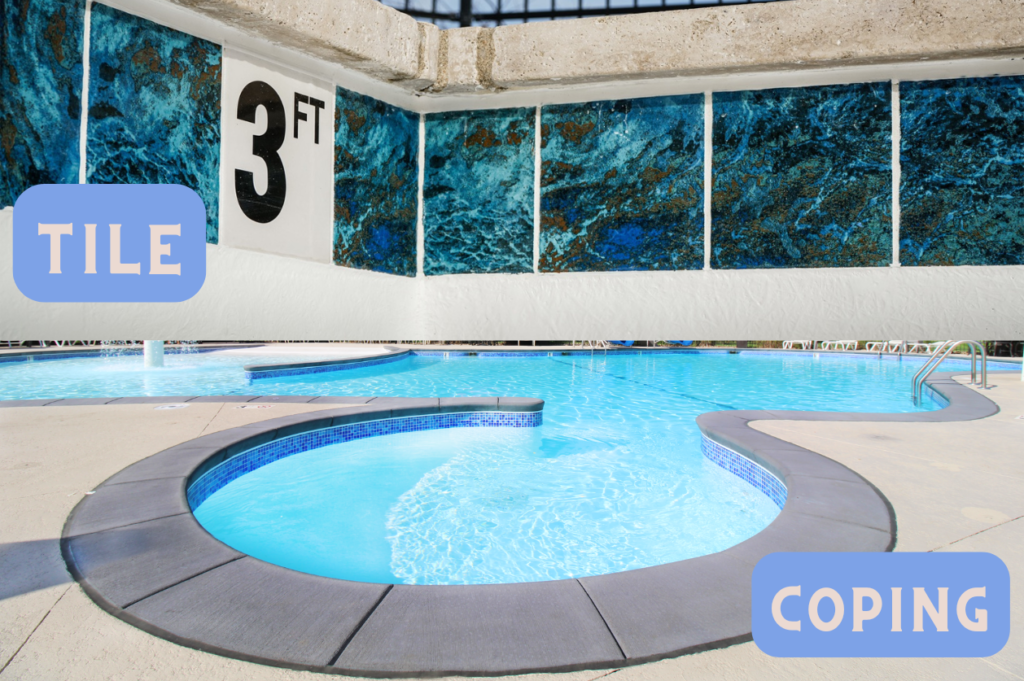
With structural work complete, we turn our attention to visible enhancements.
Replacing outdated or damaged waterline tile can dramatically transform the look of your pool. We remove old tile, properly prepare the bond beam, and install new tile with careful alignment.
Pool coping may also be upgraded to modern stone or more durable materials.
If the surrounding concrete shows signs of wear, cracks, or surface damage, resurfacing may be recommended.
Using high-pressure surface preparation and professional resurfacing systems, worn concrete can be restored without full demolition. In cases where the deck itself has structural damage, sections of the surrounding concrete may need to be removed and replaced.
The goal is a cohesive, safe, and long-lasting pool environment.
Step 6: Resurfacing the Pool Interior
This is where the visual and functional transformation truly takes shape.
Old plaster or deteriorated surface material is carefully removed to expose the underlying concrete. Thorough preparation ensures the new finish adheres properly and performs as intended over time. See our pool resurfacing guide for more information!
We offer several interior finish options based on durability, appearance, and long-term performance goals:
INTER-GLASS®
Our premium high-performance surface system is designed for exceptional durability and chemical resistance. INTER-GLASS® delivers enhanced strength compared to traditional plaster while providing a refined, modern appearance built to withstand demanding pool environments.
Traditional Plaster
A classic and cost-effective option. It offers a clean, bright look but typically has a shorter lifespan compared to advanced surface systems.
Recommended Read: How Long Does Pool Plaster Last and What You Can Use Instead
Aggregate Finishes (Pebble and Quartz)
These finishes incorporate natural stone or quartz aggregates into the surface for added durability and resistance to staining and chemical wear. Pebble finishes are known for extended lifespan and a natural textured appearance. Quartz blends provide a smoother feel while improving color retention.
Tile Finishes
For pool owners seeking a luxury, resort-style aesthetic, full tile interiors offer striking visual impact and long-lasting durability. Tile surfaces resist staining and provide a distinctive, custom finish.
Each surface is installed using controlled mixing, precise application, and careful finishing techniques to promote long-term performance. The right finish not only enhances appearance but also affects comfort underfoot, maintenance needs, and overall longevity.
Step 7: Refill, Startup, and Water Balancing
The curing phase following resurfacing is critical. New surfaces must be protected through controlled startup procedures and carefully balanced water chemistry.
Improper startup can cause scaling, surface roughness, or discoloration. We manage this process to ensure the interior finish cures properly, protecting your investment from day one. Before completion, we conduct a final inspection and walkthrough to confirm structural integrity, finish quality, and equipment performance.
What a Fully Restored Pool Looks Like
The difference between a failing pool and a professionally restored one is significant. Check out our video gallery to see expert restoration work in action!
Before restoration, pools often show rough textures, cracks, fading finishes, loose tiles, and dated aesthetics.
After restoration, pool owners see:
- Smooth, vibrant interior surfaces
- Secure tile and properly installed coping
- Updated lighting and modern features
- Improved water retention with leak issues addressed
- Lower energy consumption from upgraded equipment
- A refreshed, contemporary look
Beyond appearance, many pool owners notice fewer recurring repair issues and less ongoing frustration. A properly restored pool performs reliably, runs more efficiently, and once again becomes the centerpiece of the backyard rather than a constant maintenance concern.
Upgrade Your Pool with Confidence
A damaged pool does not have to mean demolition. In most cases, professional restoration can bring it back to life.
If you are noticing cracks, rough plaster, falling tile, or persistent leaks, the sooner you address the issue, the better. Small problems become structural concerns over time.
Mid-America Pool Renovation is ready to inspect your pool and provide a clear plan to properly restore it. Contact us today to schedule your pool assessment and take the first step toward enjoying your backyard again.
